

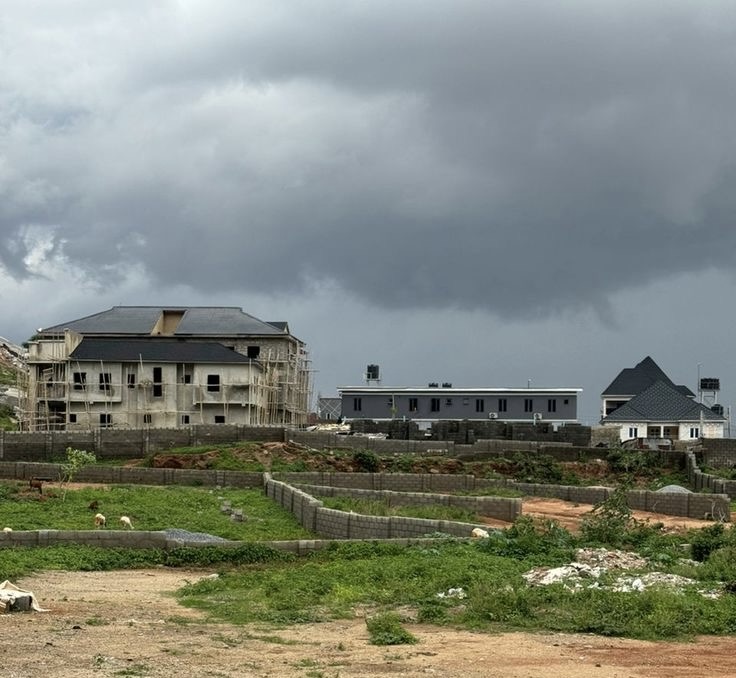
- Most investors only discover this truth after they have already lost money.
Before you invest in any land or property in Nigeria, there are five critical questions you must ask. Ignoring these questions can turn what looks like a promising opportunity into a serious financial setback.
Many Nigerians step into real estate with excitement and high expectations but without enough information. They rely on verbal promises, attractive discounts, or pressure from sellers instead of asking the right questions. Real estate is not simply about buying land. It is about buying safely, strategically, and correctly.
If you want your investment to grow and remain secure, clarity must come before payment. The right questions protect your money, your time, and your future plans.
Why Asking the Right Questions Matters in Nigerian Real Estate
Real estate in Nigeria can be highly profitable, but it can also be risky when decisions are made without proper investigation. A wrong purchase can lead to legal disputes, poor resale value, construction delays, or complete loss of property.
Successful investors do not rush into transactions. They take time to evaluate purpose, location, documentation, and legal status before committing their funds.
Below are five essential questions every investor should ask before buying any property in Nigeria.
1. Are You Buying to Build Immediately
Your investment purpose should always be clear from the start.
If your goal is to begin construction immediately, the land must meet certain practical conditions. It should be located in a fully accessible area with good road networks, minimal disputes, and proper documentation.
You also need to consider infrastructure such as electricity, drainage, water supply, and security. Another important factor is how easy it will be to obtain building approval from the relevant authorities.
Buying land intended for immediate development in a remote or poorly developed area can delay your project and increase construction costs significantly. What looks affordable at first may become expensive over time.
2. Are You Buying to Rent Out
If your objective is rental income, location becomes one of the most important factors.
You must evaluate whether people are actively seeking housing in that area. Consider proximity to workplaces, schools, hospitals, markets, and commercial centers. Areas with steady population growth and economic activity tend to attract long term tenants.
Rental properties perform best where demand is consistent, not where prices are simply low. A well designed building in the wrong location can remain vacant for long periods, reducing your expected return on investment.
3. Are You Buying to Flip in a Few Years
Flipping means purchasing property now with the intention of selling later at a higher value.
For this strategy to succeed, the area must show clear signs of future growth. Indicators of growth may include new road construction, residential estates, commercial developments, or government backed projects.
When flipping property, you are investing in future potential rather than present conditions. Buying land in an area with no visible development plan can leave your funds tied down for years with little or no appreciation.
4. What Is the Title and Has It Been Verified
Not all land titles offer the same level of security in Nigeria.
Some properties have a Certificate of Occupancy, others have Gazette or excision, while some have no valid title at all. It is never enough to rely on the seller’s verbal claim regarding documentation.
Proper verification is essential. It confirms that the land is genuine, free from government acquisition, and legally transferable. Many property disputes arise because buyers failed to verify titles before making payment.
Title verification is one of the most important steps in protecting your real estate investment.
5. Is the Land Free From Government Acquisition or Legal Issues
Government acquisition remains one of the greatest risks in Nigerian real estate.
A piece of land may appear perfect physically but legally belong to the government. Buyers often discover this only after receiving demolition notices or facing legal restrictions that prevent development.
Conducting a professional survey and charting the land at the land registry helps reveal whether the property is under acquisition or affected by legal disputes. Ignoring this process can result in complete loss of investment.
Final Thoughts
One of the most common mistakes investors make is buying property first and asking questions later.
When you invest without a clear purpose, you risk ending up with land that does not suit your needs, cannot generate income, or is difficult to resell. Your investment goal determines the location, the type of property, the budget, and the documents you must insist on.
Experienced real estate professionals always ask these questions before recommending any property. Seeking professional guidance and conducting proper verification can save you from costly mistakes and ensure that your investment is secure.
Smart real estate investment in Nigeria begins with asking the right questions before you pay.